The Psychology Behind Slot Machines
Understanding the psychology that underpins the design of slot machines offers valuable insight into their addictive nature. These machines are meticulously engineered to deliver consistent rewards that trigger the brain’s pleasure centers. This phenomenon, known as operant conditioning, plays a crucial role in how players engage with the machines, especially in environments like new uk casino fast withdrawal , where quick payouts further enhance the experience. When players receive a payout, even a small one, it reinforces the behavior, making them more likely to return for another spin, constantly seeking that next big win. This conditioning creates a feedback loop where excitement and anticipation drive players to continue playing.
The intermittent reward schedule is particularly potent in slot machines. Unlike games with fixed outcomes, the unpredictable nature of payouts creates excitement and intrigue. Players can experience a euphoric rush from small wins, which keeps them engaged and encourages them to keep playing. This unpredictability mirrors the thrill of a gamble, where the excitement of possibly winning outweighs the pain of losing, leading to repeated play and, often, a cycle of addiction. The element of chance can turn even a small win into a major motivational force, prompting players to chase their luck further.
Furthermore, the immersive experience provided by modern slot machines contributes significantly to their addictive qualities. With vibrant graphics, engaging sound effects, and stimulating themes, these machines captivate players’ attention. The combination of sensory stimulation and psychological reinforcement creates an environment where players can lose track of time and money. As they become engrossed in the game, they may ignore their surroundings and the passage of time, leading to prolonged gambling sessions and an increased risk of developing problematic behaviors.
The Role of Jackpot Sizes
The allure of progressive jackpots in slot machines can also be a significant factor in their addictive appeal. These machines accumulate a portion of each bet into a central prize pool, which can grow to staggering amounts. The prospect of winning life-altering sums of money drives players to persistently engage with these machines. The larger the jackpot, the more players are incentivized to play, often leading them to spend more than they initially planned, all in hopes of striking it rich. This chase for the jackpot can overshadow the more realistic outcomes of regular play.
Moreover, the concept of ‘near misses’ plays a crucial role in enhancing the addictive nature of slot machines. When players come close to hitting a jackpot, the machine often displays flashy graphics to amplify the illusion of being close to a win. This near-win effect can be just as compelling as actual wins, creating a strong psychological urge to keep playing in pursuit of what feels like an imminent victory. Players may convince themselves that they are just one spin away from a big win, making it difficult for them to resist the temptation to continue playing.

Additionally, the allure of jackpot sizes is often amplified by marketing and promotions from casinos. They highlight big winners, showcase jackpot milestones, and create a buzz around potential payouts. This not only enhances the perceived value of playing but also fosters a sense of community among players who share stories of their near misses and winnings. The more this narrative is shared, the stronger the urge to participate becomes, feeding the cycle of addiction and engagement. Marketing strategies designed to capitalize on this appeal can significantly influence player behavior, encouraging ongoing participation.
Social Factors Influencing Addiction
Social dynamics are another critical ingredient in the addictive nature of slot machines. The casino environment is designed to be socially stimulating, often filled with sounds of cheers, excitement, and camaraderie among players. This collective atmosphere reinforces individual participation, as players may feel compelled to keep playing not just for personal enjoyment but also to be part of the communal experience. The shared highs and lows can create a sense of belonging, making it easier to justify extended play, as players are drawn into the excitement of the crowd around them.
Peer influence also plays a significant role in gambling behavior. If friends or family members frequently engage with slot machines, it may encourage individuals to participate, increasing the likelihood of developing addiction traits. The normalization of gambling within certain social circles can lead individuals to underestimate the risks associated with prolonged play, resulting in decisions that favor gambling over other social or leisure activities. This influence can create a cycle where social validation reinforces gambling habits.
Moreover, the increase in online slot machines has made social factors even more complex. Online platforms often incorporate social features such as leaderboards, live chats, and collaborative challenges. This heightened sense of interaction can enhance feelings of competition and motivation. The accessibility of online gambling means players can easily slip into a cycle of addiction, driven not only by the machines themselves but also by the social reinforcement found within online gambling communities. These features create a sense of urgency and excitement that can lead to extended play sessions, further entrenching players in their gambling habits.
Marketing Tactics and Design Elements
The marketing strategies employed by casinos and gaming developers are intentionally crafted to accentuate the addictive qualities of slot machines. Bright colors, flashy lights, and enticing sounds are not simply for aesthetic appeal; they are strategically designed to grab attention and create a sensory overload that appeals to players’ emotions. These design elements help to create an atmosphere of excitement and anticipation that can be incredibly alluring, drawing players into the game. The overall ambiance of a casino is crafted to be stimulating, encouraging players to engage more deeply with the games.
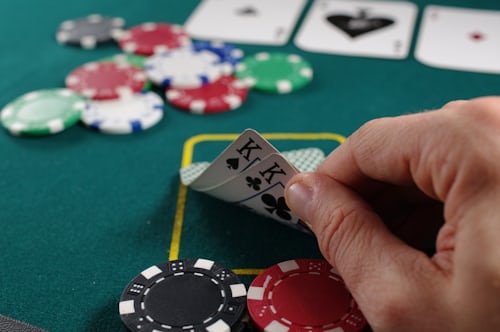
Additionally, casinos often use promotional tactics such as free spins or bonuses to entice new players. While these offers can provide a thrilling start, they can also lead to habitual play as players become accustomed to the thrill of gambling without initially facing financial consequences. This form of incentivization can lure players into a cycle of gambling where the anticipation of a potential win overshadows the risk of loss, fostering addictive behaviors over time. The thrill of receiving bonuses can create a false sense of security, making players more likely to engage in risky gambling behavior.
Finally, the use of loyalty programs and rewards can further entrench players in their gambling habits. By offering points, discounts, or exclusive access to events, casinos capitalize on the desire for players to maintain and elevate their status. This psychological manipulation encourages ongoing play, often regardless of personal spending limits or financial situations, reinforcing a cycle that can lead to addiction. Players may feel compelled to continue playing to accumulate rewards, further blurring the lines between entertainment and compulsive gambling.
Exploring Responsible Behavior and Awareness
While the addictive nature of slot machines is well-documented, it’s crucial to highlight the importance of responsible gambling practices. Awareness and education can empower players to make informed choices regarding their gaming habits. Many casinos offer resources and programs aimed at promoting responsible gaming, encouraging players to set limits, take breaks, and recognize signs of problematic behavior. These initiatives are essential in creating a supportive environment that addresses the risks associated with gambling, and they can play a vital role in helping players maintain control over their gaming experiences.
Moreover, looking at the broader context of gambling addiction, social support systems play a pivotal role. Friends, family, and community resources can provide crucial assistance for individuals struggling with gaming dependency. Open communication about gambling habits can help normalize the conversation around addiction, reducing stigma, and promoting collective accountability. By fostering a culture of awareness, players can navigate the complexities of gambling more responsibly, making it easier to seek help when needed and encouraging healthy gaming practices.
Ultimately, understanding the addictive elements of slot machines is key to promoting healthier gaming habits. Players should not only enjoy the thrill of the game but also be vigilant and informed. Balancing entertainment with awareness can create a safer gambling landscape, ensuring that players remain in control of their choices and experiences. By prioritizing responsible gambling, players can enjoy the excitement of slot machines while minimizing the risks associated with compulsive behavior.